
Vision & Mission
Education transcends individual interests – it’s a communal imperative for societal development, and development of the country. In Bangladesh, the quality of high school education is sorely lacking, leaving disadvantaged students perpetually behind. While private coaching and coaching centers offer partial solutions for the privileged, true quality education requires holistic development within schools.
Reclaiming the school's pivotal role requires collective effort, with every community member contributing resources to support this endeavor.
The SSD Foundation aims to empower all stakeholders - students, teachers, parents, and community - to collectively realize quality education’s transformative power.
Vision
Empowering communities to collaboratively enhance education quality in schools, ensuring excellence for every child.
Mission
Foster a deep understanding of the importance of quality Education.
Make it a fundamental right for every child in the community
Strive for quality education through a Social Contract
Board Members

Professor Dr. Engr. Jasimuz Zaman
ChairmanVolunteer for Quality Education, Former Professor of Chemical Engineering
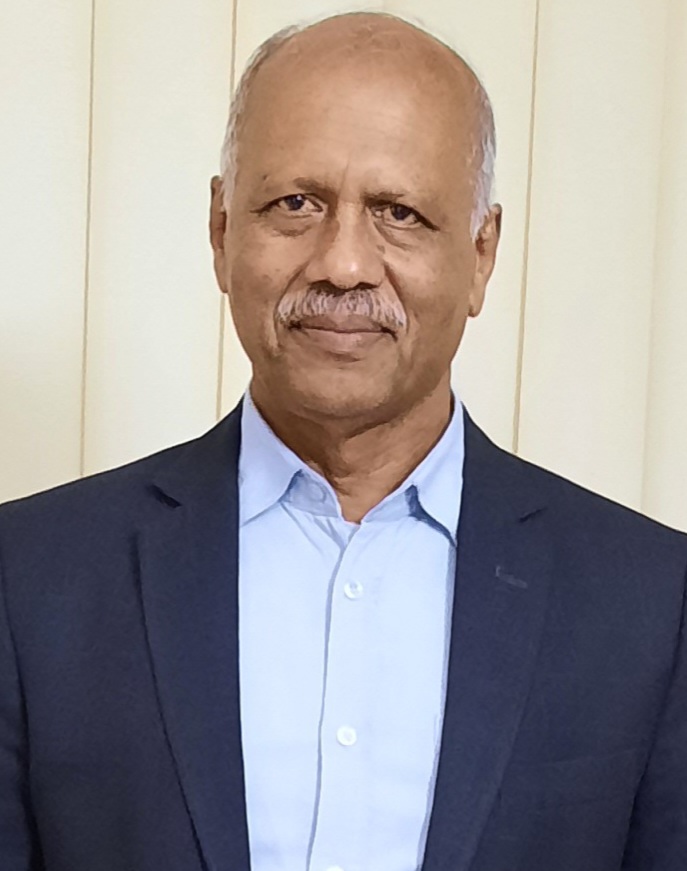
Mr. Alauddin Ali
Executive DirectorVolunteer for Quality Education, Former CEO of Udoyangkur Sheba Sangstha
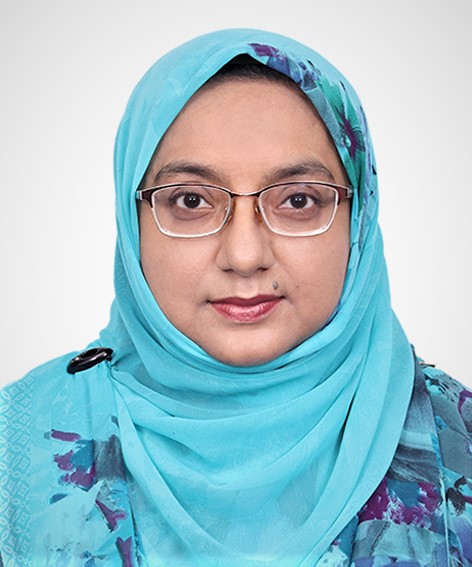
Professor Dr. Engr. Syeda Sultana Razia
TreasurerProfessor of Chemical Engineering, BUET

Professor Dr. Sajjadul Islam
MemberProfessor of Bangla, Jahangir Nagar University

Engr. Ahmed Tanvir Anam, MBA, DPA
MemberHead of Organization Development, Learning & Academic Collaboration, DBL Group

Mr. Subhrendu Shekhar Bhattacharjee
MemberWriter, columnist, and poet, Former Director of the Government of Bangladesh
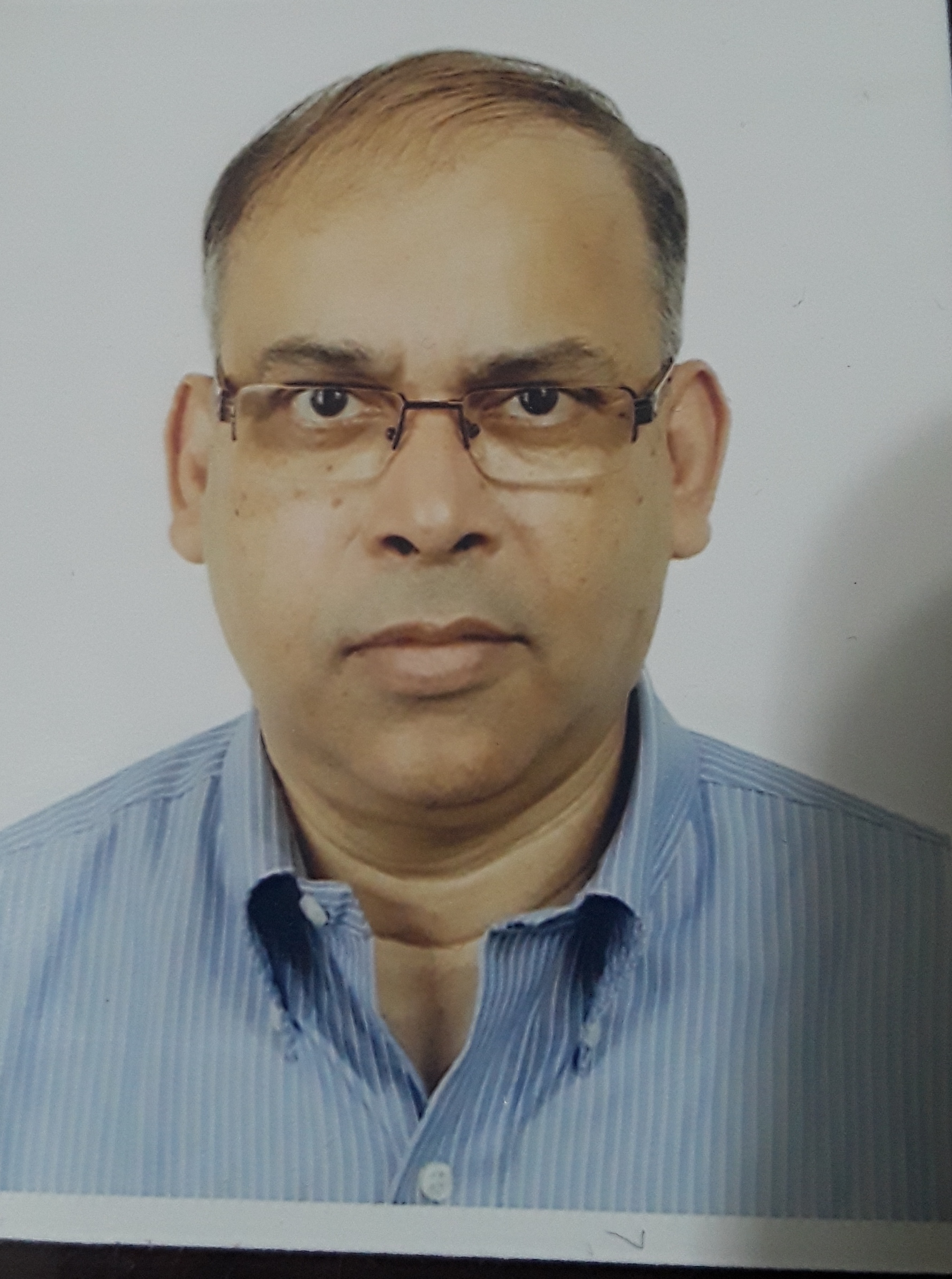
Dr. Engr. Masud Mohammad Zahid Hassan
MemberDirector, Engineering Resources International Ltd

Dr. Sabreena Ahmed
MemberAssociate Professor, Department of English and Humanities School of Humanities and Social Sciences, Brac University
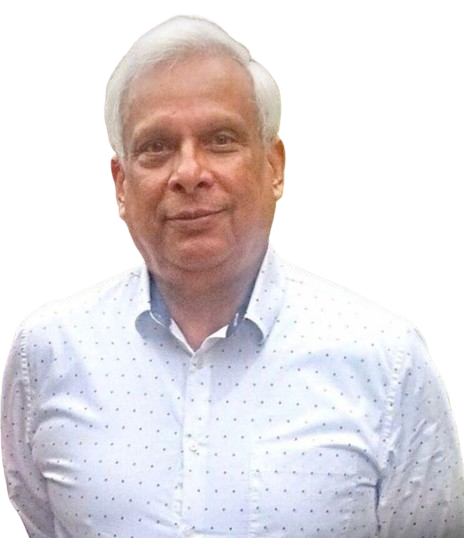
Professor Dr. Engr. Khaliqur Rahman
MemberVolunteer for Quality Education, Former Professor of Chemical Enineering, BUET
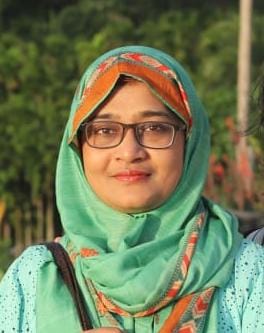
Dr. Shamila Nahar, MBBS, MPH
MemberSpecialist in Maternal Health, Family Planning, and Community Health

Engr. Muhammad Habil Uddin
SecretaryPresident of Chemical Engineering Alumni Association, Former Vice President of Trust Bank
Donars & Associates
SSD At a Glance
Education in Bangladesh: A Vision for the Future
Introduction
Bangladesh faces a critical challenge: our education system is not preparing our youth for the demands of the 21st century. With over 60% of our population under 29, this "youth bulge" represents immense potential. However, without quality education and opportunities, we risk squandering this demographic dividend. Recent changes in government underscore the urgency of this issue, particularly as unemployment is closely linked to these shifts in leadership. The time for action is now. We must seize this opportunity to transform our education system and empower our youth to build a brighter future for Bangladesh.
Reimagining Education for the 21st Century
Modern education must move beyond rote memorization. To thrive in our rapidly changing world, students need to cultivate creativity, critical thinking, and problem-solving skills. This will empower them to become innovators, entrepreneurs, and active contributors to our economy. While government reforms are crucial, meaningful change can also be ignited at the grassroots level, particularly in under-resourced rural schools.
Focusing on Rural High Schools
Rural high schools in Bangladesh often face a disheartening reality of neglect and limited resources. This is a grave concern, as inadequately prepared high school graduates have a direct impact on the quality of our future workforce. Many struggle to find employment or pursue further education, leading to frustration and a sense of unfulfilled potential. This not only affects the young people themselves but also their families, who often make significant sacrifices to support their education. Addressing the challenges faced by rural high schools is not just an educational imperative; it is an investment in our nation's future, empowering rural youth, strengthening our workforce, and helping families break free from the cycle of poverty.
The Power of Community
Historically, Bangladeshi communities have demonstrated remarkable resilience and initiative in addressing their needs, especially in rural areas with strong community bonds and a receptiveness to new ideas. We have witnessed this spirit in the rapid adoption of modern farming techniques, the creative use of technology by rural entrepreneurs, and the significant strides made in areas like immunization, poverty reduction, and women's empowerment. These successes demonstrate that when communities understand the benefits of an initiative, they are more likely to embrace it as their own. We believe that this same community spirit can be .............
Read More »»